Career Resources & Planning 2026
10 Essential Career Development Tools for Employees
One of the most important reasons why employees stay with their current organizations is because they feel they have secure career and future. They believe that you are making investments for their career growth and success. Companies that have invested in employees’ career development have observed a 58% increase in retention.
Career development is one of the key drivers to employee engagement and retention. It provides a sense of purpose and motivation to acquire new skills and knowledge to employees. It encourages them to stay committed to their work leading to higher job satisfaction.
Investing in employee career development is equally beneficial for employers. It builds a more skilled and productive workforce, reducing the costs of new recruitment and training. But, how to improve career development in an organization? How to enhance career development efforts?
Investing in career development tools for employees is one of the ways to promote career growth.
In this article, we will share an extensive list of career development tools for employees free and paid, that will certainly contribute to professional advancement of your team.
10 Career Development Tools For Employees
Career development tools for employees are powerful tools for increasing the effectiveness of your organization’s employee development programs. It caters to their individual career needs while keeping your company’s business requirements in check.
There are numerous tools available that support all sorts of development programs. Here is a list of the top 10 career development tools for employees that suit various professional development needs and preferences.
#1. TalentGuard
Purpose – For creating a career development plan.
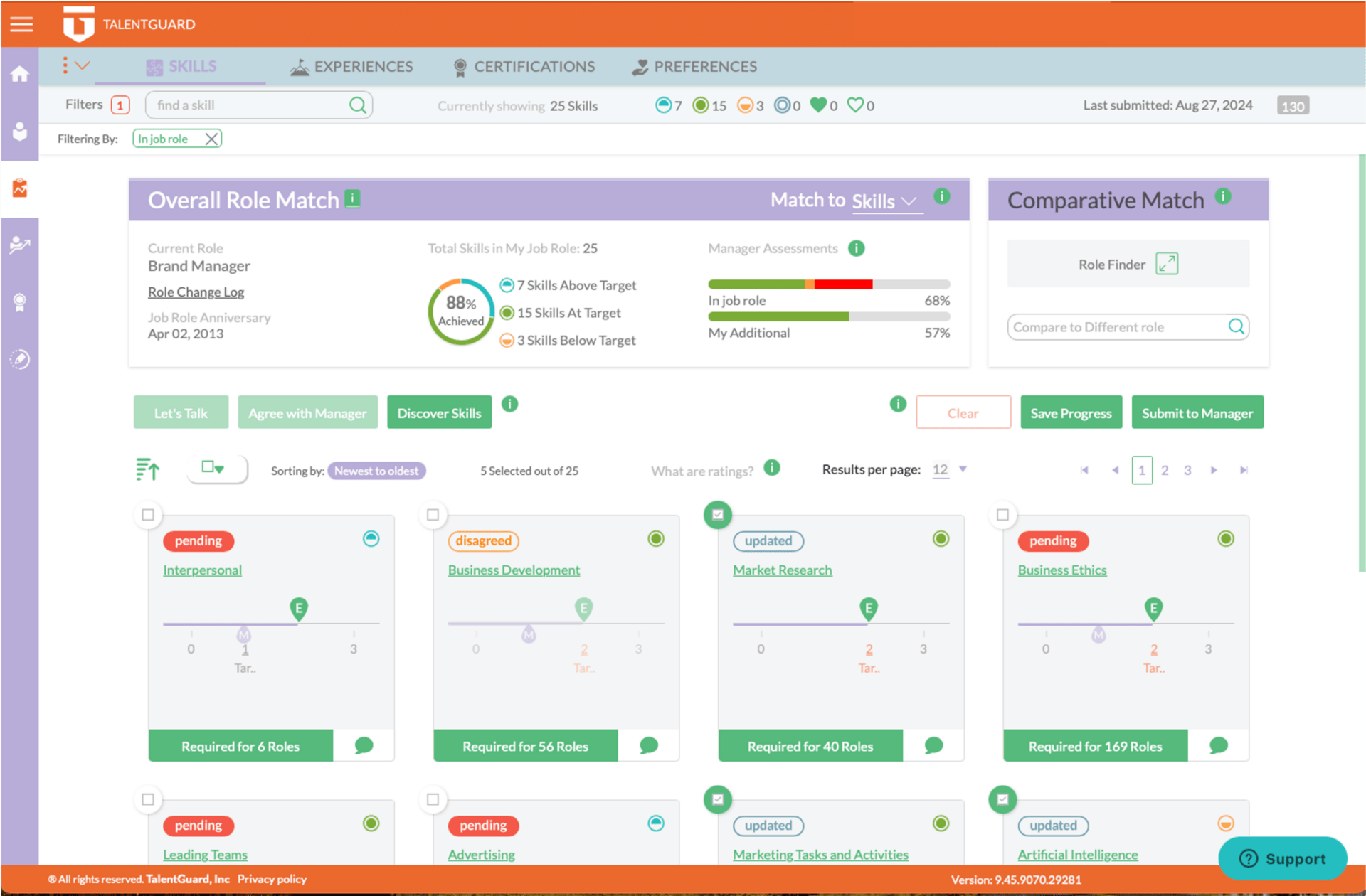
TalentGuard is one of the best career development tools for employees. It supports employees by offering them a clear roadmap for their professional growth with tailored career development plans. With its various AI-powered tools, you can build comprehensive career development plans for your employees. Moreover, it helps you build a culture of continuous learning and growth in your organization.
Key Features –
- Career pathing tools.
- AI-driven workforce intelligence engine.
- Skill gap analysis.
- Personalized development plans.
- Career journals for employees.
- Performance management.
- Real-time analytics and reporting.
Pricing –
Free, with paid plans starting at $7 per month.
#2. Udemy
Purpose – For online learning.
Udemy is an online learning platform that offers employees a variety of courses for learning and developing new skills. Through its flexible and self-paced learning approach, employees can upsill, reskill, and explore their new interests.

Source: Udemy.com
Key Features –
- Wide course selection.
- Self-paced learning programs.
- Courses compiled by industry experts.
- Certificates upon course completion.
Pricing –
Starts at $35 per month.
#3. LinkedIn
Purpose – For professional networking
There is hardly a better site for professional networking than LinkedIn. It helps employees to connect with industry leaders, potential mentors, or even their peers. Besides networking, it assists employees with job search, career advancement, and personal branding.
Source: Linkedin
Key Features –
- Professional networking.
- LinkedIn learning tools.
- Job search and recruitment.
- Industry news and personal branding.
Pricing –
Free, with paid plans starting from $29.99 per month.
#4. Coach.me
Purpose – For career coaching and mentoring.
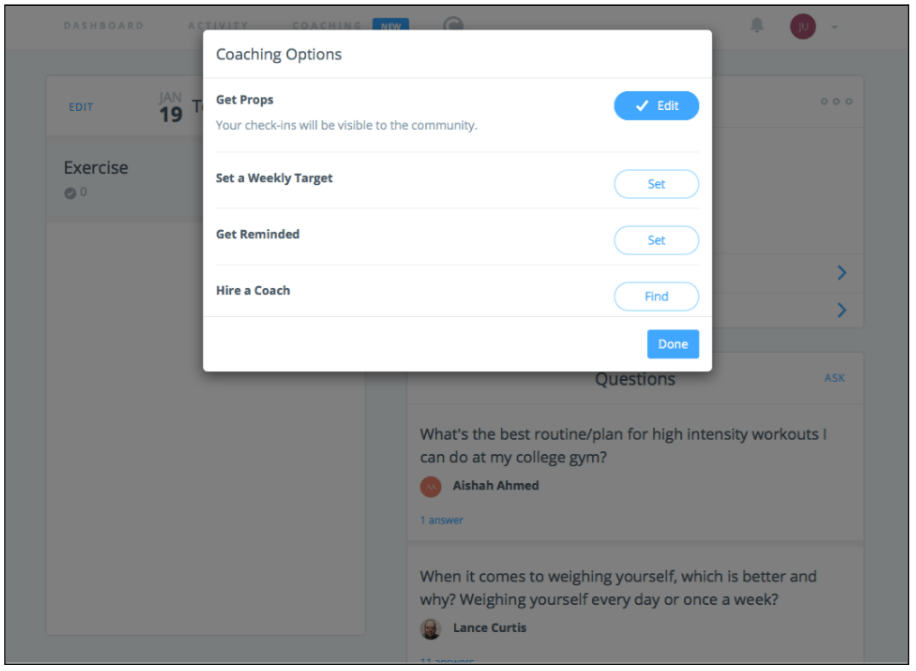
Coach.me offers personalized career coaching and mentorship programs for imparting expert guidance to employees. It connects them with expert coaches who support their career development and personal growth via professional advice, tailored sessions, and habit-building techniques.
Source: Coach.me
Key Features –
- Personalized career coaching and guidance.
- Flexible coaching plans.
- Habit-tracking.
- Community support.
Pricing –
Free habit tracker with personal coaching starting from $25 per week.
#5. iMocha
Purpose – For conducting skill assessment.
iMocha is a skill assessment platform powered by AI technology that enables you to assess your employees’ skills set accurately. It has a wide variety of tools to evaluate your employees’ cognitive abilities, technical knowledge, as well as their soft skills. This helps you identify skill gaps and develop tailored learning plans to promote employee growth.

Source: iMocha
Key Features –
- Extensive skill assessment tests.
- Skill management and benchmarking.
- AI-powered analytics.
Pricing –
Starts from $400 per month for 5 seats.
#6. ClickUp
Purpose – For goal-setting and tracking.
ClickUp is a productivity platform that allows you to set, manage, and track both employees and team goals. Your employees can set clear career development goals and create relevant tasks for achieving these goals. They can also monitor their progress toward these goals in real-time ensuring they stay aligned with their career development plans.

Source: ClickUP
Key Features –
- Goal setting and tracking.
- Customized workspaces for individuals and teams.
- Real-time task and project management.
- Intuitive collaboration tools.
Pricing –
Free, with paid plans starting from $7 per user per month.
#7. Qualtrics
Purpose – For comprehensive employee feedback.
Qualtrics is an intuitive tool designed to provide feedback to employees. It captures feedback from various team members to offer employees a more comprehensive insight into their performance. By considering feedback from diverse perspectives, your employees can gain a deeper understanding of their performances and take action toward betterment.

Source: Qualtrics
Key Features –
- Customizable feedback surveys.
- Multi-source feedback with actionable insights.
- Anonymous feedback options available.
- Performance tracking.
Pricing –
Connect with the Qualtrics team to request pricing structures.
#8. Workday
Purpose – For performance management and reviews.
Workday is an intuitive human resources management solution that offers robust tools for performance management and employee reviews. You can conduct employee performance evaluations and offer comprehensive feedback about their career development efforts.

Source: Workday
Key Features –
- Performance reviews.
- Continuous employee feedback.
- Career development planning.
- Employee performance trends via analytics and reporting.
Pricing –
Connect with the Workday team to request their pricing information.
#9. Officevibe
Purpose – For employee engagement.
Officevibe is an employee engagement platform that helps you track, measure, and improve employee satisfaction in your organization. It helps you understand your employees’ needs via regular feedback and honest communication. It creates a positive work environment which plays an important role in boosting employee morale and supports their career development.

Source: OfficeVibe
Key Features –
- Regular employee surveys and feedback collection.
- Anonymous feedback tools.
- Employee recognition and rewards.
- Actionable insights about team engagement.
Pricing –
Free, with paid plans starting from $5 per user per month.
#10. Headspace for Work
Purpose – For improving mental well-being.
Headspace offers mindfulness and meditation resources to improve your employees’ mental health and well-being. It helps employees to increase focus, manage stress, and improve concentration at work. It aims to cultivate a positive mindset and optimistic attitude for their professional and personal growth.

Source: Headspace
Key Features –
- Guided meditations.
- Mindfulness practices.
- Online workshops, coaching, and events.
- Personalized course recommendations and other resources.
Pricing –
Connect with the Headspace team to request pricing details.
Transform Your Career Development Tools for Employee with TalentGuard
Investing in career development for employees is crucial to build a thriving workforce. Career development tools empower employees to take charge of their professional careers leading to increased job satisfaction. These tools also convert them into stronger assets for your company and drive overall organizational success.
Although most of the tools we mentioned in this article address unique aspects of career development, TalentGuard stands out as a reliable solution. The reason being it offers an all-in-one employee career development solution.
With TalentGuard, you can build tailored career development plans that align with individual employee aspirations and organizational goals. It provides you a 360-degree view of employees’ existing skills and shares a detailed trajectory of their personalized career growth. Its AI-driven workforce intelligence engine conducts thorough talent assessments to provide proactive recommendations on employees skills to meet future demands. With the help of continuous review cycles and OKR management, it promotes a growth mindset among employees and helps you unlock the full potential of your workforce.
Schedule a demo today and discover how TalentGuard can help your organization bolster professional development among your employees.
What are career planning tools?
Career planning tools provide employees with practical ways to understand their strengths, areas for improvement, and how to advance in their careers. Rather than leaving development to chance, these tools bring structure to career resources & planning by helping employees evaluate their current capabilities and map out the steps required for long-term growth. Many of these resources integrate digital platforms with guided reflection, assessments, and other planning methods, enabling employees to navigate each stage of their professional journey with greater clarity.
In today’s workplace, these tools have become essential to HR development strategies. Employees gain access to professional development resources and career development support that make it easier to understand the skills, competencies, and experiences needed to advance. As organizations continue to adapt to new skill demands and shifting business priorities, career planning tools help employees stay aligned, confident, and ready for what comes next.
Why are career planning tools important?
Career planning tools are important because they empower employees to take ownership of their development. When people understand the steps required to grow, they’ve gained clarity and motivation to pursue meaningful career goals. These tools also help employees identify skill gaps and understand the types of training or experiences that will help them advance, increasing engagement and long-term retention. They make professional development more intentional, structured, and actionable.
From an organizational standpoint, strong employee development tools do far more than support individual growth — they strengthen the entire workforce. When HR teams use career planning software or a career mapping tool, they gain clearer insight into employee capabilities, future readiness, and the roles people may grow into. This level of visibility fosters a more intentional approach to development, enabling the organization to stay aligned with its long-term business needs.
Companies that use robust career planning resources often experience stronger succession plans, more frequent internal promotions, and a workforce that adapts more easily to change. These tools help leaders look ahead and identify future talent needs, while providing employees with the guidance they need to pursue new opportunities with greater confidence. Incorporating competency frameworks into this process further enhances clarity by showing employees how their current skills align with evolving job requirements. With that understanding, they can focus on development efforts that genuinely prepare them for upcoming roles and organizational demands.
Career planning tools
Career planning tools provide employees with a structured approach to understanding their strengths, clarifying their goals, and mapping out the steps necessary to advance in their careers. These resources can range from simple reflection exercises to advanced career planning software, yet each one helps employees build direction and confidence. When applied thoughtfully, they support individual development while also contributing to broader workforce planning. They serve as a foundational element in any career development framework for employees, helping to cultivate continuous learning and long-term career mobility.
Many organizations weave career planning tools into their larger talent strategy. Assessments, research, external learning opportunities, and other employee development tools all play a role in helping people uncover meaningful insights about their careers. Companies that use these tools intentionally often connect them to career pathing initiatives that encourage internal movement and progressive skill development. Whether someone is considering a new role, identifying gaps in their skill set, or thinking about what their future might hold, these tools offer a grounded and well-structured guide for making informed decisions.
1. SWOT analysis
A SWOT analysis is a simple but powerful career planning tool that helps employees evaluate their Strengths, Weaknesses, Opportunities, and Threats. This method encourages employees to think critically about their capabilities, motivations, and external factors influencing their career trajectory. By identifying strengths and opportunities, employees can recognize pathways that align with their natural abilities. At the same time, examining weaknesses and threats helps them build targeted goals for improvement.
Using SWOT analysis as part of career resources & planning helps employees understand where they stand today relative to their professional goals. It’s also an effective professional development tool for managers who want to guide employees through structured development conversations. When integrated with employee development tools or a career mapping tool, a SWOT analysis becomes even more insightful, as it connects self-awareness with real organizational data, job expectations, and future opportunities.
2. Career testing
Career testing provides employees with a data-informed approach to explore potential roles, identify their skill preferences, and consider various career paths. These assessments often measure aptitude, interests, personality traits, and core work values, helping individuals understand which roles naturally suit their strengths. This type of testing is especially useful for employees who feel uncertain about their next step or are considering a move into a different field.
Organizations benefit as well. When career testing is built into employee development tools, HR teams gain clearer insight into how an employee’s capabilities and preferences align with various opportunities. This makes it easier to support long-term career growth and match people with roles where they are more likely to succeed. When paired with career planning software, employees receive personalized recommendations and deeper insight into which opportunities may be the best fit. Career testing also reinforces other career development resources for employees by supplying a solid, evidence-based starting point for informed career decisions.
3. Self-assessment
Self-assessments encourage employees to look closely at their skills, values, interests, motivations, and work styles so they can better understand what they enjoy, where they thrive, and what they may want to strengthen. By giving employees a structured way to reflect on their own strengths and preferences, these assessments support clearer, more confident career decisions. Many organizations weave self-assessments into their larger career planning approach because they help employees see how their individual qualities connect to both current roles and potential future opportunities within the company.
These assessments also play an important role in shaping a solid career development framework for employees by clarifying what they need before they begin any training or development activities. When used alongside professional development tools or competency frameworks, self-assessments help employees recognize the specific skills or experiences they’re missing and determine how to close those gaps through learning or project-based work. As a result, development efforts become more intentional, easier to track, and better aligned with broader organizational goals.
4. Research
Research plays a foundational role in career planning because it helps employees understand evolving industry trends, in-demand skills, and the expectations of future roles. Employees can explore information about job responsibilities, salary expectations, growth opportunities, and skill requirements. This enables them to make informed decisions about the career paths that best align with their interests and long-term goals.
Organizations that incorporate research into their career planning resources help employees stay competitive and prepared for change. Employees using a career mapping tool or planning software can explore various development paths, compare multiple roles, and identify the exact skills they must build next. When paired with structured HR resources, such as skill development examples and job family frameworks, research becomes a powerful tool for long-term career advancement.
5. Community resources
Community resources provide employees with access to local training programs, mentorship networks, workshops, and events that support skill-building and professional development. These external opportunities help employees connect with peers, expand their industry knowledge, and explore career pathways beyond their immediate environment. Leveraging community resources enhances the effectiveness of internal employee development tools by offering real-world engagement and continuous learning.
Many organizations incorporate community resources into their broader professional development tool strategy to complement internal programs. When paired with career planning software, these resources help employees build relevant experiences and networks that support long-term growth. Community-based support also enhances career development resources for employees by providing them with access to diverse learning formats and opportunities that may not be available within the organization.
6. Personality tests
Personality tests help employees understand behavioral tendencies, motivations, communication styles, and work preferences. These tests foster a deeper level of self-awareness, which is essential for making effective career decisions. By understanding how they naturally operate, employees can identify roles and environments where they are most likely to thrive. Personality tests also help uncover blind spots that may impact workplace performance or collaboration.
As part of career planning tools, personality tests offer a valuable layer of insight that complements skills assessments and SWOT analysis. When used within a career development framework for employees, these tests help individuals develop stronger interpersonal awareness, improve communication, and enhance teamwork. Organizations benefit from using personality assessments as employee development tools because they inform leadership development, team dynamics, and long-term talent planning.
7. Career planning process
The career planning process offers a structured path that leads employees through reflection, exploration, informed decision-making, and goal-setting. It helps them evaluate their strengths, clarify their aspirations, map out practical strategies, and take meaningful steps toward advancing their careers. This process becomes even more effective when supported by career planning resources such as self-assessments, research, competency frameworks, and structured feedback tools.
A well-designed career planning process integrates multiple professional development tools to ensure employees receive ongoing support throughout every stage of their growth. Organizations often use career planning software or a career mapping tool to make this process more transparent and personalized. When aligned with a career development framework for employees, the planning process ensures employees stay engaged, confident, and prepared for future opportunities.
FAQ’s
What is a career development tool?
A career development tool is a platform or a resource designed to help employees enhance their skills. It helps them to take control of their professional journeys. It offers them a structured framework and guidance to achieve their career goals.
What is the purpose of a career development tool?
A career development tool supports employees in advancing their careers. It offers resources and strategies for skill improvement, personal growth, and career planning.
Explain the career development framework.
A career development framework offers a strategic guide to employees for planning their career paths and achieving their professional goals. It includes –
- Reflecting on strengths and interests.
- Exploring education and career options.
- Developing the required skills and experiences.
- Connecting with like-minded people and opportunities.
- What are the 5 P’s of career development?
The 5 P’s of career development typically refer to Purpose, Potential, Path, Preparation, and Progress. Together, they help employees understand why they want to grow, what they’re capable of, where they want to go, how to get there, and how to measure success along the way. Organizations often use career planning tools and professional development tools to support each stage of the 5 P’s and turn career growth into an ongoing, structured process rather than a one-time conversation.
What is a common tool used in career planning?
One of the most common tools used in career planning is a career planning software platform. These platforms combine assessments, goal tracking, skill mapping, and development planning into a single system. Other widely used tools include self-assessments, career mapping tools, SWOT analyses, and competency frameworks. Together, these career planning resources help employees understand their current skills and identify the steps needed to advance.
What are the 3 C’s of career development?
The 3 C’s of career development are often described as Clarity, Competency, and Commitment. Clarity helps employees understand their goals and direction, competency focuses on building the skills required to succeed, and commitment reflects the motivation to follow through on development plans. Employee development tools and career development frameworks support all three by helping employees set goals, close skill gaps, and stay engaged in their growth.
What are the 4 P’s of career development?
The 4 P’s of career development commonly include Purpose, Planning, Performance, and Progression. This framework emphasizes aligning personal goals with organizational needs, creating structured development plans, improving performance through learning, and moving forward through clearly defined career paths. Career planning tools and professional development tools help organizations apply the 4 P’s consistently across roles and career stages.
Thanks for exploring this post on Career Development Tools for Employees.
See a preview of TalentGuard’s platform

What is Agility in Workplace and Why is It Important in 2026
Workplace agility is essential for organizations seeking to maintain a competitive edge. Market demands are constantly shifting, technological advancements are accelerating, and unexpected business challenges are arising more frequently. Organizations must respond quickly to these changes, and a lack of agility can hinder an organization’s ability to keep up, leaving it vulnerable to competitors and […]

Implementing Career Pathing Software for Employee Growth
Implementing career pathing software is a powerful step toward empowering employees and aligning their skills with your company’s strategic goals. Career pathing enables employees to visualize their growth potential within the organization, understand the skills they need to advance, and see the pathways available for both vertical and lateral movement. However, the process can be […]

Top Career Advancement Strategies 2026
Top 10 Career Development Strategies in HRM to Promote Employee Growth Did you know around 87% of millennials believe career development is important in their jobs? Also, 70% of employees believe that learning opportunities improve their sense of connection to their workplace. Career development has become an indispensable tool that allows organizations to remain competitive […]