10 Best Internal Talent Marketplace Platforms in 2026
Having the best talent marketplace platforms is a big win for finding and keeping great employees. They make hiring easier, help with career growth, and keep your team engaged. When picking the right platform, you’ll want to check out features such as smart hiring tools, career development options, and reliable support.
This blog explores the best talent intelligence platforms in the market. Each one brings something unique to the table, whether it’s advanced AI, top-notch training, or smooth integration. So, let’s get started!
Best Talent Marketplace Platforms
Here’s a quick look at some of the best talent marketplace platforms that can transform your HR talent practices and help you gain better results for your business.
1. TalentGuard
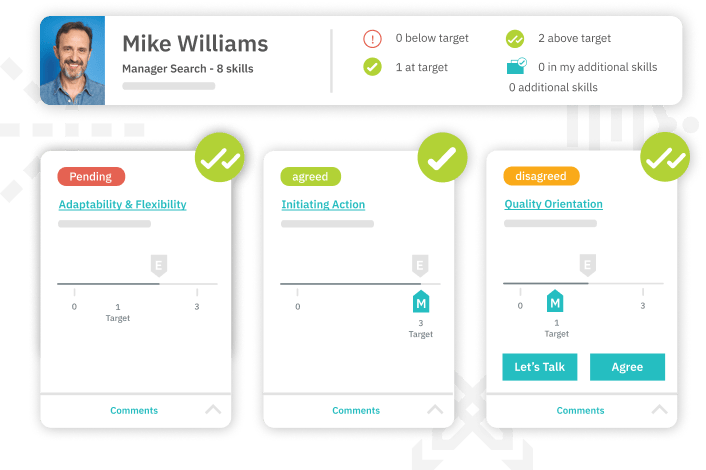
TalentGuard is an AI-powered platform specializing in skills and competency-based workforce development. We enable organizations to effectively manage employee development, career mobility, and upskilling programs seamlessly from one place. TalentGuard focuses on what really matters – your people. By teaming up with organizations, TalentGuard creates a workplace where employees can grow their careers, leading to better results for the business.
Core Features
- AI-Powered Skills, Competency and Job Mapping: Generate, Identify and track employee skills and job profiles
- Talent Assessment: Assess employee skills, experiences, qualifications and preferences
- AI-Powered Career Pathing: Recommend and match employees with clear career growth opportunities
- Internal Mobility: Promote internal movement across the career lattice
- Performance Management: Track and manage employee performance perfectly
- Succession Planning: Prepare for future leadership transitions and growth
- Learning Management: Deliver tailored training and development
- 360 Degree Feedback: Gather multi-faceted feedback for growth and development
- Employee Engagement: Measure and enhance employee commitment
- Goal Management: Set, track, and achieve organizational goals
- Development Planning: Align individual growth with organizational goals
- Certification Tracking: Track and manage certifications, renewals and CEUs
- Analytics And Reporting: Generate data-driven insights for decision-making
- Compliance Management: Ensure regulatory compliance
- Employee & Manager Self-Service: Empower employees and managers with self-service tools
- Linkedin Integration: Import employee profiles and infer skills from experiences
- Email, phone, chat, training, and ticket support
Strengths and Unique Selling Points
TalentGuard is great at bringing all your HR needs into one easy-to-use platform. Whether it’s goal setting, managing skills, or accessing everything on mobile, TalentGuard covers every stage of an employee’s journey—from onboarding all the way to retirement. It really stands out as one of the best talent marketplace platforms with its top-notch tools for:
- talent planning
- career development and mobility
- staying compliant
Ideal for
SMBs, mid-market, and enterprise businesses
2. Eightfold
Eightfold is an AI-powered internal talent marketplace that hires and manages your workforce. Using advanced algorithms and global data, it helps businesses find, keep, and grow the best talent out there.
Core Features
- Talent Acquisition: Make hiring processes simpler
- Candidate Relationship Management: Nurture and manage candidate relationships
- AI-Powered Matching: Match candidates and jobs using AI
- Diversity And Inclusion: Promote a diverse and inclusive workforce
- Internal Mobility: Enable employees to grow within the organization
- Employee Career Development: Support individual career growth
- Skills And Competency Mapping: Identify and track employee skills
- Recruitment Marketing: Enhance your employer brand
- Email support
Ideal for
Startups, SMBs, mid-market, and enterprise businesses
3. Gloat
Gloat is like a super flexible workforce system that helps companies shake off barriers and make better use of their talent. Using AI to spot skills, it makes workforce planning smarter and gives employees more chances to grow in their careers.
Core Features
- AI-Powered Talent Matching: Automatically match employees to opportunities
- Internal Mobility: Promote movement within the organization
- Career Pathing: Offer personalized career growth
- Skills Assessment: Evaluate employees’ skills for future development
- Learning And Development: Provide learning opportunities for employee growth
- Employee Engagement: Keep employees motivated and engaged
- Diversity And Inclusion: Build a diverse workforce
- Succession Planning: Prepare for leadership transitions
- Email and phone support
Ideal for
Startups
4. Fuel50
Fuel50 helps boost your workforce by making internal talent mobility and agility a breeze. With its AI-powered, skills-based solutions, Fuel50 creates a talent marketplace that focuses on growing your employees and guiding their career paths.
Core Features
- Career Pathing: Help employees navigate their career journey
- Talent Marketplace: Connect employees with opportunities across the organization
- Skills Development: Focus on enhancing employee skills
- Employee Engagement Surveys: Monitor employee satisfaction
- Succession Planning: Plan for future leadership needs
- Mentorship Programs: Work on employee growth through mentorship
- Learning And Development: Provide continuous learning opportunities
- Email, training, tickets, and live support
Ideal for
SMBs, mid-market, and enterprises
5. CornerStone
CornerStone is an all-in-one learning management solution that helps you deliver, manage, and track training for employees, partners, and even customers worldwide. With its strong focus on compliance and AI-powered training, it’s a go-to platform for businesses looking to streamline their learning and development processes.
Core Features
- Assessments & Quizzes: Test employee knowledge and skills
- Instructor-Led Training: Provide structured learning experiences
- Assignment Scheduling: Manage training assignments
- Course Management: Oversee learning programs effectively
- Content Delivery and Tracking: Track employee progress
- Customer Training: Extend learning beyond employees
Ideal for
SMBs, mid-market, and enterprises
6. SuccessFactors
SuccessFactors is a cloud-based HR tool designed with small businesses in mind. It covers all the basics like payroll, tracking applicants, onboarding new hires, and managing employee learning – everything you need to keep your HR team strong!
Core Features
- Employee Central: Manage employee data and processes
- Recruiting Management: Organize recruitment workflows
- Onboarding: Simplify the transition of new hires
- Performance & Goals: Align employee performance with business goals
- Compensation: Manage compensation strategies effectively
- Succession & Development: Plan for leadership and skill development
- Learning Management: Provide continuous learning opportunities
- Workforce Planning: Prepare for future workforce needs
- Email, training, and live support
Ideal for
Startups, SMBs, and enterprises
7. Degreed
Degreed helps companies improve their teams’ skills, whether they need to learn new ones, sharpen existing ones, or get deeper into their expertise. It mixes skills data with learning resources to make sure employees grow and succeed.
Core Features
- Content Aggregation: Bring together learning content from various sources
- Skill Development: Focus on employee skill growth
- Learning Pathways: Offer personalized learning paths
- Customizable Learning Plans: Tailor learning programs to individual needs
- Social Learning: Encourage learning through collaboration
- Mobile Learning: Access learning resources anytime, anywhere
- Analytics & Reporting: Track learning progress with data insights
Ideal for
Startups, SMBs, mid-market, and enterprises
8. UKG
UKG has got you covered with more than just basic HR aspects. It handles all the tricky bits of payroll and workforce management, making sure it meets all your needs. Plus, UKG helps keep employee engagement high, even beyond the usual work aspects.
Core Features
- Reporting and Dashboards: Generate detailed reports and access real-time data insights through customizable dashboards
- Performance and Reliability: Ensure consistent performance with reliable system uptime and support
- Administration: Simplify administrative tasks, improving efficiency across HR processes
- Payroll Entry: Make payroll processes accurate with easy-to-use payroll entry features
- Time Off Accrual: Automate and track employee time off accrual for accurate leave management
- Direct Deposit: Provide employees with secure and efficient direct deposit options
- Pre-tax Deductions: Manage pre-tax deductions seamlessly for benefits and contributions
Ideal for
SMBs, mid-market, and enterprise businesses.
Comparative Analysis Table for Best Talent Marketplace Platforms
| Platform | Key features | Support available | Ideal for |
| TalentGuard | AI-Powered Career Pathing, Internal Mobility, Talent Assessment, Skills Development, Succession Planning, Performance Management, Goal Management, 360 Degree Feedback | Email, Phone, Training, Tickets, Live Support | SMBs, Mid-Market, Enterprises |
| Eightfold | Talent Acquisition, AI-Powered Matching, Diversity & Inclusion, Internal Mobility, Career Development | Startups, SMBs, Mid-Market, Enterprises | |
| Gloat | AI-Powered Talent Matching, Internal Mobility, Career Pathing, Skills Assessment, Succession Planning | Email, Phone | Startups |
| Fuel50 | Career Pathing, Talent Marketplace, Skills Development, Performance Management, Mentorship Programs | Email, Training, Tickets, Live Support | SMBs, Mid-Market, Enterprises |
| CornerStone | Instructor-Led Training, Course Management, Assignment Scheduling, Content Delivery, Assessments | SMBs, Mid-Market, Enterprises | |
| Success Factors | Employee Central, Recruiting Management, Performance & Goals, Compensation, Learning Management | Email, Live Support, Training | Startups, SMBs, Enterprises |
| Degreed | Skill Development, Learning Pathways, Customizable Learning Plans, Social Learning, Mobile Learning | Email, Phone, Live Support, Tickets | Startups, SMBs, Mid-Market, Enterprises |
| UKG | Reporting & Dashboards, Payroll Entry, Time Off Accrual, Direct Deposit, Wage Garnishment | SMBs, Mid-Market, Enterprises |
How to Choose the Best Talent Marketplace Platforms for Your Organization?
To help you choose the best talent marketplace platform for your organization, here are some key factors to think about.
1. Key Features to Look For
A top-notch talent marketplace needs some cool features like AI-powered matching and skills assessment tools. These tools make finding the perfect fit for your team a breeze. After, they check out the following aspects:
- The candidate’s skills
- Experience
- How well they might fit the role
Also, you’ll want a platform that plays nice with your existing HR systems, so everything from hiring to managing your team is all in one spot.
2. Ease of Use
A talent marketplace should be super user-friendly for both HR teams and candidates. If the interface is easy to use, your HR team can get the hang of it quickly, without needing tons of training. Plus, candidates will find applying or interacting with the system easy. This way, you save time on training and explaining how it all works.
3. Customization and Flexibility
Every organization has its own way of doing things, right? So, the talent marketplace you pick needs to be customizable. You should be able to tweak aspects like the user interface and workflows to match your specific hiring needs. Flexibility is important here, so the platform must fit into your existing processes instead of making your team change how they work.
4. Scalability
As your business gets bigger, your hiring needs will too. You’ll want a talent marketplace that grows with you, handling your expanding team and operations without the hassle of frequent upgrades or swapping out software.
5. Customer Support and Training
A platform is only as good as the support you get with it. Check that the provider offers solid customer support and training resources. Whether it’s through tutorials, account managers, or tech support, having dependable help means your team can really make the most of the platform.
6. Pricing and ROI
Check out how each platform charges — some go with a subscription model, while others might be pay-per-use. Think about what will give you the best ROI. If a platform can cut down your recruitment time or help you keep top talent, it could save you a lot of money in the long run.
Wrapping Up Best Talent Marketplace Platforms
Choosing the right talent marketplace platform can make a big difference for your business, no matter its size. Look for one that matches your needs, whether it’s making hiring easier, helping with employee growth, or boosting team engagement. Each platform has its own strengths, so think about what’s most important for you.
TalentGuard is a great option because it offers a lot of useful tools, from managing performance to helping with career growth. If you need a platform that covers all your HR needs, TalentGuard might be just right. Take some time to explore and find the best fit for your goals.
What Is a Talent Marketplace?
A talent marketplace is a structured way for organizations to connect people with internal opportunities based on skills, interests, and potential. Rather than relying on static job ladders or one-off postings, a talent marketplace creates ongoing visibility into roles, projects, and development paths across the business. Employees are no longer limited to what’s available within their immediate team.
Many organizations utilize an internal talent marketplace as a skills-first environment, sometimes referred to as a skills marketplace or expertise marketplace. These platforms help leaders understand what capabilities already exist and where gaps may emerge. With the right talent marketplace software in place, companies can support mobility, development, and workforce planning simultaneously, rather than treating them as separate initiatives.
How Does a Talent Marketplace Work?
A talent marketplace provides a more organized way for organizations to understand and utilize the skills they already possess. Employees share details about their experience, capabilities, certifications, and career interests, while leaders outline available roles, short-term initiatives, stretch assignments, and development opportunities. Rather than depending on job titles alone, the marketplace connects people to opportunities based on what they can do today and where they have room to grow.
More advanced talent platforms take this a step further by using intelligent matching to bring relevant opportunities directly to employees—even ones they may not think to look for themselves. This is particularly useful in larger organizations, where cross-functional roles are often hard to see. As employees participate, build new skills, and complete work, the marketplace continually improves its recommendations. Learning, career pathing, and internal mobility become part of one cohesive experience, helping organizations move away from reactive staffing and toward more intentional, forward-looking workforce planning.
What Are the Key Benefits of Using a Talent Marketplace?
Future-Fit Upskilling and Reskilling
Talent marketplaces play a crucial role in helping organizations stay current with their skills. By functioning as a living skill marketplace, they show employees which capabilities are in demand and where development efforts should focus. Learning is no longer abstract or disconnected—it ties directly to real opportunities within the business.
As skill requirements evolve faster than job descriptions can keep up, organizations gain an advantage by linking development to meaningful work. When employees understand how learning supports real career progression, engagement increases, and new skills are applied faster. This approach helps close skills gaps while preparing the workforce for long-term change.
Unlocking Agility
A talent marketplace makes it easier for organizations to respond to shifting priorities and needs. Employees can move between roles, projects, and teams based on skill alignment rather than rigid structures. This flexibility enables businesses to launch initiatives more quickly without relying solely on external hiring.
An open talent market also reduces time-to-staff for critical work. Leaders can quickly identify internal expertise, while employees gain exposure to new challenges and opportunities. The result is a more adaptable organization and a workforce that continues to grow through hands-on experience.
Improve Engagement and Retention
Employees tend to be more engaged when they can clearly see where their career could lead within the organization. Talent marketplaces create that visibility by making roles, projects, and growth opportunities easier to find and act on. Rather than waiting for formal career discussions, employees can explore options that align with their interests as part of their day-to-day experience.
This level of openness also strengthens retention. When people feel supported in their development and trusted to move internally, they are less likely to seek opportunities elsewhere. Career growth becomes an ongoing process, not a once-a-year conversation, and engagement follows naturally.
Breaking Down Silos
Organizational silos often limit the effective use of talent. Talent marketplaces help remove those barriers by making skills and experience visible across teams and departments. Employees gain opportunities to contribute outside their immediate role, while leaders uncover expertise that may have gone unnoticed.
As this visibility grows, collaboration becomes easier, and knowledge moves more freely. Over time, the organization shifts from working in isolated pockets to operating as a more connected, skills-driven talent ecosystem.
Making Opportunities Accessible to All
A well-designed talent marketplace helps level the playing field. Instead of relying on informal networks or manager sponsorship, opportunities are visible to everyone. Employees can pursue roles, projects, and development opportunities based on their skills and interests, rather than proximity or familiarity.
This accessibility supports fairer talent decisions and strengthens diversity and inclusion efforts. When opportunity is transparent, organizations benefit from broader participation and a more inclusive pipeline of future leaders.
4 Best Practices for Implementing a Talent Marketplace in Your Organization
#1. Prepare Your Team for Change
Introducing a talent marketplace requires more than new technology—it requires a mindset shift. Employees and managers need to understand that internal mobility strengthens the organization rather than disrupting it. Clear communication around goals and expectations helps reduce resistance.
Training is equally important. Teams should know how to build profiles, post job opportunities, and engage confidently with the platform. When change is managed thoughtfully, adoption occurs more quickly and trust develops.
#2. Engage Your Broader Team
A talent marketplace works best when it isn’t owned solely by HR. Managers and leaders play a crucial role in adoption by sharing opportunities openly and supporting internal movement, rather than blocking it. When employees know they can explore new roles or projects without fear of risk, they are more likely to participate and take charge of their own development.
Keeping the marketplace active is just as important. Recognizing success stories, highlighting new opportunities, and consistently reinforcing the value of participation help maintain momentum and prevent the platform from losing relevance.
#3. Keep an Eye on the Future
A talent marketplace should support long-term workforce strategy, not just immediate staffing needs. Organizations should regularly review skills data to anticipate future gaps and guide development efforts accordingly.
When marketplace insights inform workforce planning, talent decisions become more strategic and informed. The platform evolves from an operational tool into a long-term capability.
#4. Beware of Talent Hoarders
Talent hoarding is a common obstacle, particularly when managers hesitate to support internal movement in an effort to retain top performers. Overcoming this requires strong alignment at the leadership level, along with incentives that recognize and reward talent development, rather than valuing retention above all else.
Clear governance and visible executive support help reinforce that internal mobility strengthens the organization as a whole. When leaders actively encourage movement and set the example, mobility becomes a normal and accepted part of the culture.
How to Choose a Talent Marketplace for Your Organization
Selecting the right talent marketplace begins with clarity around your goals. Some organizations aim to enhance internal mobility, while others prioritize skills transparency, employee engagement, or long-term workforce planning. The best talent marketplace platforms support those priorities by aligning the technology with how the business and its people actually operate.
It’s also important to think beyond today’s needs. Talent marketplace software should seamlessly integrate into your existing HR environment and scale as the organization grows. Looking closely at reporting capabilities, flexibility, and the level of vendor support available helps ensure the platform remains valuable well after implementation.
Talent Marketplace Features: Top Features You Should Know
Career Pathing
Career pathing helps employees see what’s possible and what it takes to move forward. Within a talent marketplace, it connects roles, skills, and learning into clear, actionable paths that employees can pursue with confidence. When people understand how their development efforts lead to real outcomes, growth feels more intentional and motivating.
For organizations, career pathing also supports stronger workforce planning. Aligning individual aspirations with future business needs provides leaders with better insight into readiness, while helping employees stay engaged and invested in their long-term growth.
Mentoring
Mentoring features support growth through connection. Talent marketplaces facilitate the matching of mentors and mentees based on skills, experience, and goals. These relationships encourage learning while strengthening collaboration across teams.
Embedding mentoring into the marketplace allows development to scale without becoming informal or inconsistent.
Project and Gig Marketplace
A project and gig marketplace provides employees with access to short-term opportunities that extend beyond their core roles. This is a defining feature of an open talent market, where skills are deployed dynamically in response to demand.
Gigs accelerate learning, build confidence, and help organizations test talent in new contexts. Over time, they become a powerful driver of mobility and skill development.
What Is the Key to Success With a Talent Marketplace?
A talent marketplace works best when it accurately reflects how the organization actually operates, rather than just the technology it uses. Alignment between leadership support, company culture, and the platform itself is what drives real adoption. When the marketplace is integrated into everyday work practices, employees feel encouraged to grow and advance, while leaders remain aligned with business priorities.
Organizations that treat an AI talent marketplace as a long-term capability see stronger results across mobility, engagement, and overall workforce readiness. When skills, opportunities, and people are connected in one place, the marketplace becomes part of how work gets done, not a short-lived initiative that loses momentum after rollout.
FAQs
What is a talent marketplace platform?
A talent marketplace platform is a digital system that connects employees with internal opportunities based on skills, experience, and career interests. Instead of relying on job titles or manual processes, the platform makes roles, projects, learning opportunities, and mentors visible across the organization. This enables employees to explore growth opportunities while helping businesses utilize their existing talent more effectively.
What is a talent management platform?
A talent management platform supports the full employee lifecycle, including hiring, performance management, learning, and development. While talent management platforms focus on managing people processes, a talent marketplace specifically enables internal mobility by matching employees to opportunities. Many modern platforms combine both capabilities, enabling organizations to manage talent while actively developing and promoting it internally.
How big is the talent marketplace market?
The talent marketplace is growing rapidly as organizations shift toward skills-based workforce strategies. A growing focus on internal mobility, reskilling, and workforce agility has driven widespread adoption across various industries. As businesses look for more efficient ways to fill roles, reduce turnover, and prepare for future skills needs, investment in talent marketplace technology continues to accelerate.
How do I access a talent marketplace?
Access to a talent marketplace typically comes through your employer. Employees log in using their company credentials to create a profile, explore available roles or projects, and engage in learning and development opportunities. For organizations evaluating a platform, access typically begins with a product demo or trial to understand how the marketplace integrates with existing HR systems and workflows.
To learn more about why TalentGuard has one of the best talent marketplace platforms, request a demo.
See a preview of TalentGuard’s platform
Skills-Based Organization: Engagement & Pitfalls
As organizations face increasingly competitive talent landscapes and digital transformation pressures, many are shifting towards a skills-based organization (SBO) model. This shift moves companies away from rigid job descriptions and traditional hierarchies, instead focusing on the skills and competencies essential for achieving business goals. A skills-based approach promises greater agility, improved workforce alignment, and long-term […]

Skills Project Pilot Guide for a Successful POC
Launching a successful skills project pilot is essential for establishing a proof of concept (POC), gaining company-wide support, and ensuring smooth employee adoption. To maximize your impact, the pilot should focus on job families that align closely with the organization’s strategic objectives. The right approach can build early success and momentum, setting the stage for […]

Skills-Based Mobility to Improve Culture
Skills-Based Mobility to Improve Culture Companies are increasingly realizing the importance of skills-based mobility. A skills-based approach keeps organizations agile and competitive while helping to build and maintain a positive company culture. Skills-based mobility focuses on employees’ skills and potential, not just their current roles. This approach aligns personal growth with organizational success, helping to […]