Career Pathing for Employee Engagement
Career Pathing for Employee Engagement
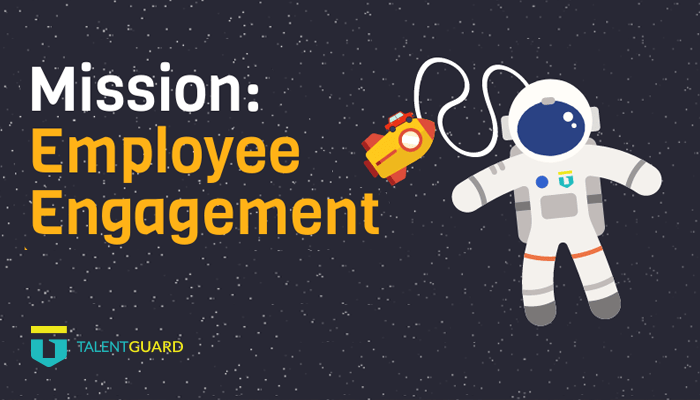
Improving employee engagement is a critical challenge that all companies face. However, with the right processes in place, the results are achievable. In this infographic, join the expedition of Mission: Employee Engagement and learn how to launch a successful career pathing initiative as quickly and efficiently as possible. Prepare for launch!
Employee engagement is a significant challenge for companies today. Engaged employees are more productive, loyal, and motivated to contribute to the organization’s success. However, achieving high levels of engagement requires more than just good intentions; it demands the right strategies and processes. One of the most effective methods to boost employee engagement is through career pathing.
Career pathing is the process of creating structured career development plans that outline the skills, experiences, and milestones employees need to advance within the organization. It provides employees with a clear roadmap for their career growth, aligning their aspirations with the company’s goals. This alignment fosters a sense of purpose and direction, which is essential for maintaining high levels of engagement.
To launch a successful career pathing initiative, companies should start by understanding their employees’ career aspirations. Regular discussions between managers and employees about career goals can help identify opportunities for growth and development. These conversations should be supported by tools and resources that allow employees to explore different career paths, assess their skills, and set achievable goals.
Next, it’s crucial to provide employees with the training and development opportunities they need to progress along their chosen paths. This might include formal education, on-the-job training, mentorship programs, or access to new projects and challenges. By investing in employee development, companies demonstrate their commitment to their employees’ futures, which significantly boosts engagement.
Finally, companies should regularly review and update career paths to ensure they remain relevant and aligned with the organization’s evolving needs. Continuous feedback and support from managers are vital to keep employees on track and motivated.
In conclusion, career pathing is a powerful tool for improving employee engagement. By providing employees with clear opportunities for growth and aligning their career goals with the organization’s objectives, companies can create a more motivated, productive, and engaged workforce. Prepare for launch—start your career pathing initiative today!
Learn how career pathing improves employee engagement today by requesting a demo of our software.
To learn more about career pathing, visit our Learning Center for webinars and other resources.
FAQs
How does career pathing improve employee engagement?
Career pathing gives employees a clear roadmap for growth by outlining the skills, experiences, and milestones needed to advance, which aligns their personal aspirations with the company’s goals. That alignment creates a sense of purpose and direction, which is a key driver of engagement.
What’s the first step in launching a career pathing initiative?
Start by understanding employees’ career aspirations through regular manager-employee discussions about career goals. These conversations should be backed by tools that let employees explore different career paths, assess their own skills, and set achievable goals.
What role does training play in a career pathing program?
Once career goals are identified, employees need real development opportunities to progress, which can include formal education, on-the-job training, mentorship programs, or access to new projects and stretch assignments. Investing in this development signals to employees that the company is committed to their future, which strengthens engagement.
Is career pathing a one-time setup or an ongoing process?
It’s ongoing. Career paths should be reviewed and updated regularly to stay aligned with the organization’s evolving needs, supported by continuous feedback from managers to keep employees on track and motivated over time.
Why is career pathing considered more effective than good intentions alone for boosting engagement?
Good intentions alone don’t give employees a concrete path to follow. Career pathing works because it creates structured plans with specific skills and milestones, giving employees something actionable to work toward rather than a vague commitment to their growth.
See a preview of TalentGuard’s platform

Organizational Success with Career Pathing
Career pathing programs not only boost employee engagement but when implemented effectively, they’re also drivers of organizational success.

Career Navigation for Internal Employee Transitions
Career Navigation for Internal Transitions Employees value growth and development in their careers, and career paths are one of the most effective ways to support employee goals and increase retention. However, while 70 percent of employees will leave their jobs if they perceive a lack of development, many companies still don’t know how to design […]

Building a Career Development Culture With Career Pathing
Career development is crucial to a positive employee experience. Today’s employees crave new challenges and learning opportunities. Read more to learn…