Empowering DEI Mission
TalentGuard is committed to helping companies truly see their people—their skills, credentials, performance scores, preferences, career aspirations and more—in order to realize the full potential of their workforce. This commitment drives us to empower companies to bring their DEI mission to life.


Your pledge put to work
Oftentimes, DEI initiatives are pledged commitments but can’t be put into action because the right resources are not in place. We want to make sure your good intentions make a true impact. TalentGuard works with organizations by providing the technology to ensure employees have career paths to achieve, are a part of fair selection practices based on skills and capabilities and managers have access to the right data to make unbiased decisions. Our platform makes your pledge work.
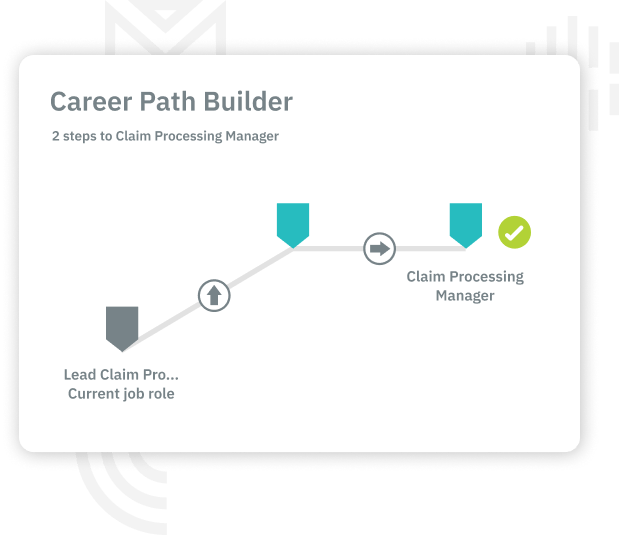
Career visibility for all employees
Give employees a window into all the opportunities your company offers, so they can clearly envision and work towards a career path that aligns with their skills and life plans. Whether employees are new to the company or have been there for a while, their career is in their hands.
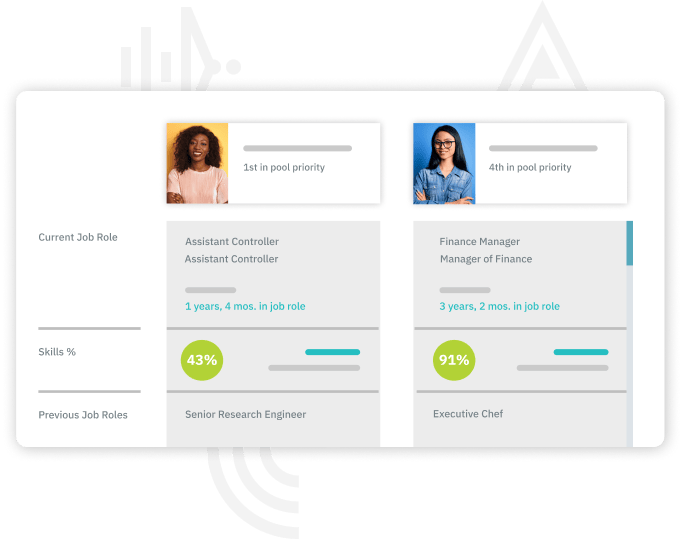
Objective candidate selection
Reduce bias in your internal mobility and planning decisions with objective, verified skill data. Compare candidates side-by-side based on match percentage, time-to-readiness, previous roles, preferences, and more. You’ll be able to create a talent pipeline of diverse candidates to meet your DEI goals.
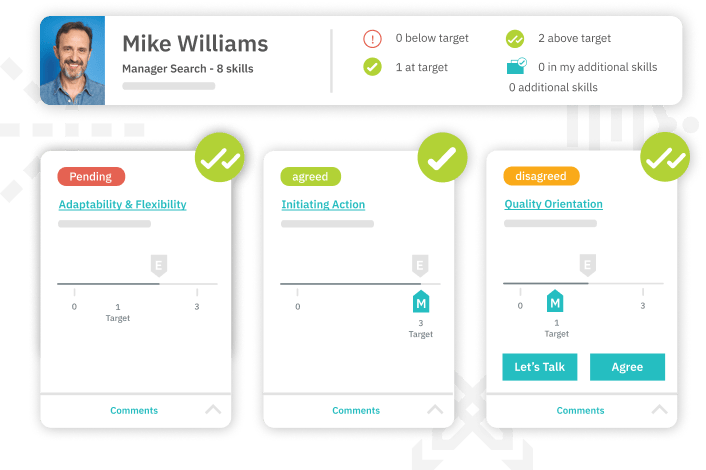
Leverage data for unbiased decisions
The right data unlocks fairness in the workplace. Assess and verify skills to understand gaps between employee ratings and manager ratings. Identify ingredients for alignment, feedback, goal setting, and development to allow all employees to thrive.
Both paths lead to the same outcome — Skills Truth and Readiness Intelligence.
The question is: where are you starting from?
Prepare for your TalentGuard Discovery Conversation. Check out our guide for the call.

TalentGuard Vision
Imagine if every employee and company had exactly what they needed to achieve their greatest hopes, goals, and dreams. The outcome would be extraordinary: Total fulfillment in the workplace and grand ambitions lived out every day. That’s the kind of world we want to live in—and the one we seek to create.
We help companies truly see their people—their skills, credentials, performance scores, preferences, career aspirations and more—in order to realize the full potential of their workforce. Armed with this valuable data and the predictive power of AI, companies can pinpoint the best path forward not just for each employee but for the entire organization.